How AI Agents shape how I build software.
Originally published on LinkedIn.
I first used AI for quick answers. Now, AI Agents shape how I build software.
Over the past 2 years, my use of AI in development has changed a lot. It started with ChatGPT as a quick Q&A partner, then moved to code completion with Copilot. In the past few months, I’ve been using agentic coding assistants through Opencode (alongside a GitHub Copilot subscription) that live in my terminal and help me execute tasks directly.
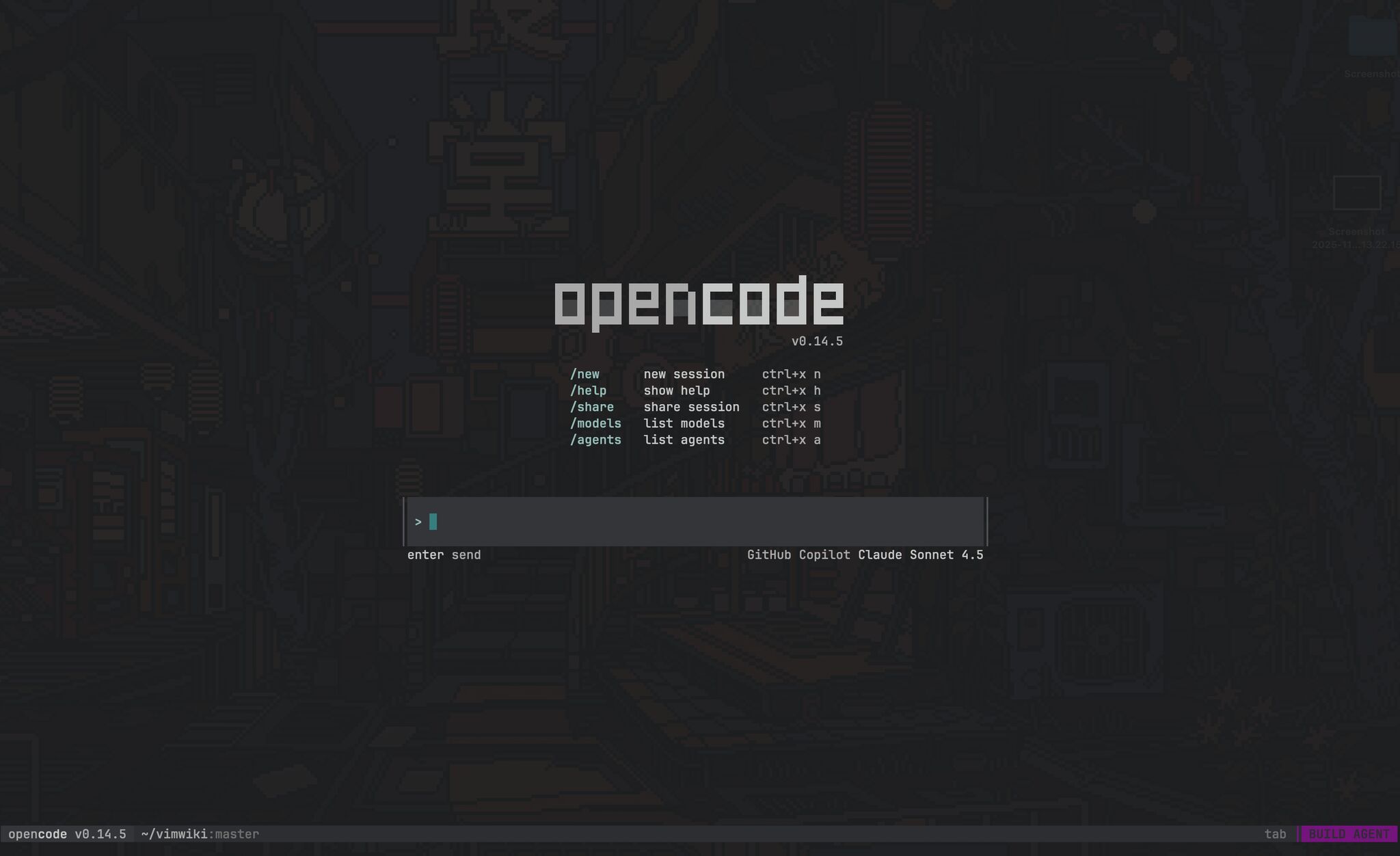
Opencode, duh..
As I started using these tools, I noticed 4 main ways they’ve made a real difference in my workflow:
Exploring unfamiliar codebases. When I only have limited context, like only knowing an API or a single function name used, I can use the agents to helps me trace where it’s used, understand the surrounding logic, and get familiar with the structure of the codebase much faster.
Planning before writing code. I often use it to review and validate my plan before making changes, ensuring my approach fits the best practice and stays consistent in design and structure of the codebase.
Making small, easily verifiable changes. For updates like UI tweaks, small refactors or test case addition, the AI agent can analyze, plan, and apply changes effectively. But, for larger integrations across multiple services, I still prefer building it myself and use AI mainly to help shape the plan.
My new interactive rubber duck / partner Instead of explaining tricky problems to an already busy teammate (or an inanimate object), I now prefer to talk it through with an AI agent that can help me quickly get reference, tests assumptions, and helps me reason more clearly without interrupting anyone’s flow too much.
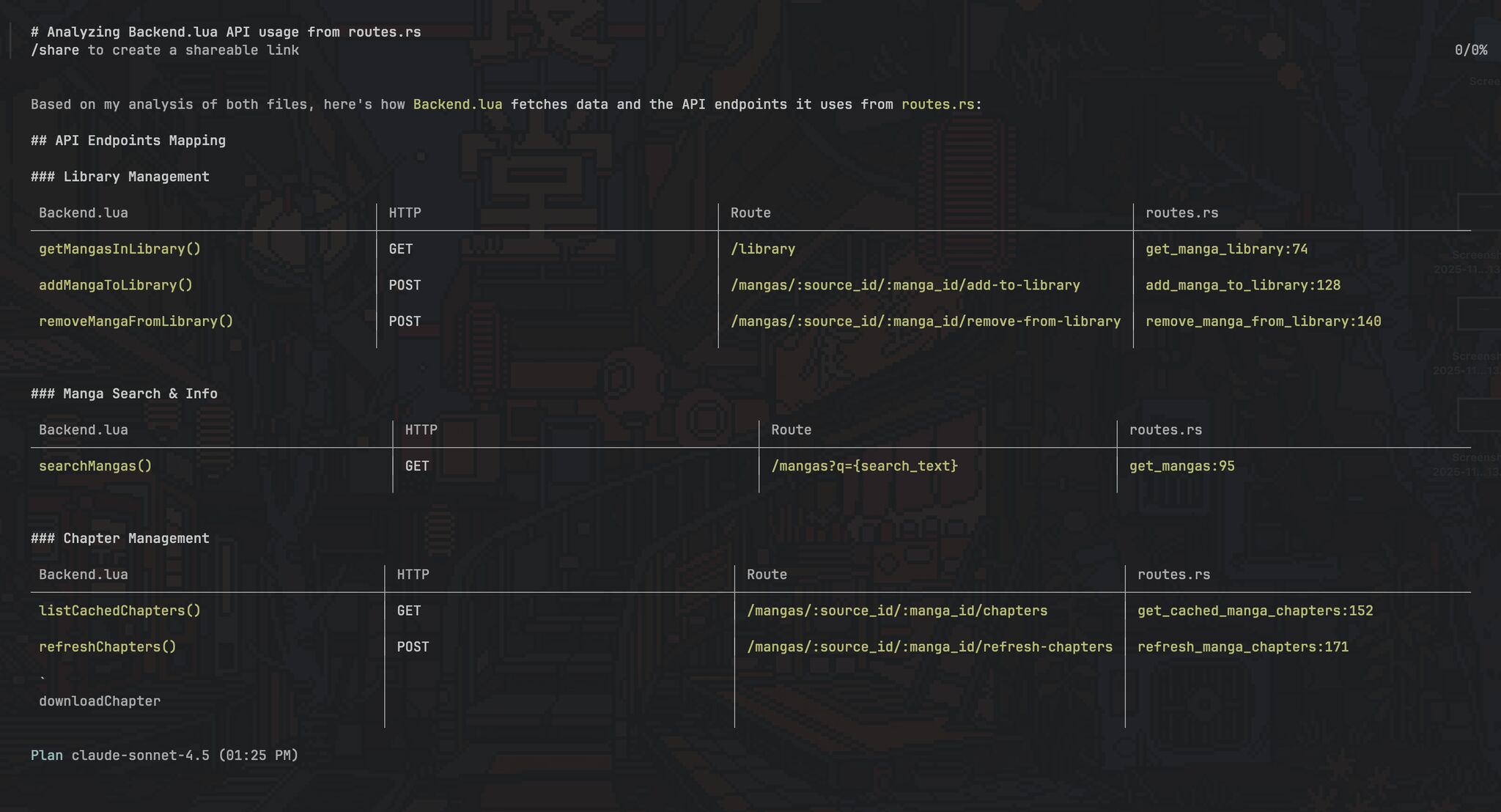
Just ask them question, really…
AI agents aren’t changing how I code. Instead, they’re reshaping how I think and becoming great partners in the process. Would love to hear how you’ve been integrating these new tools into your workflow.